
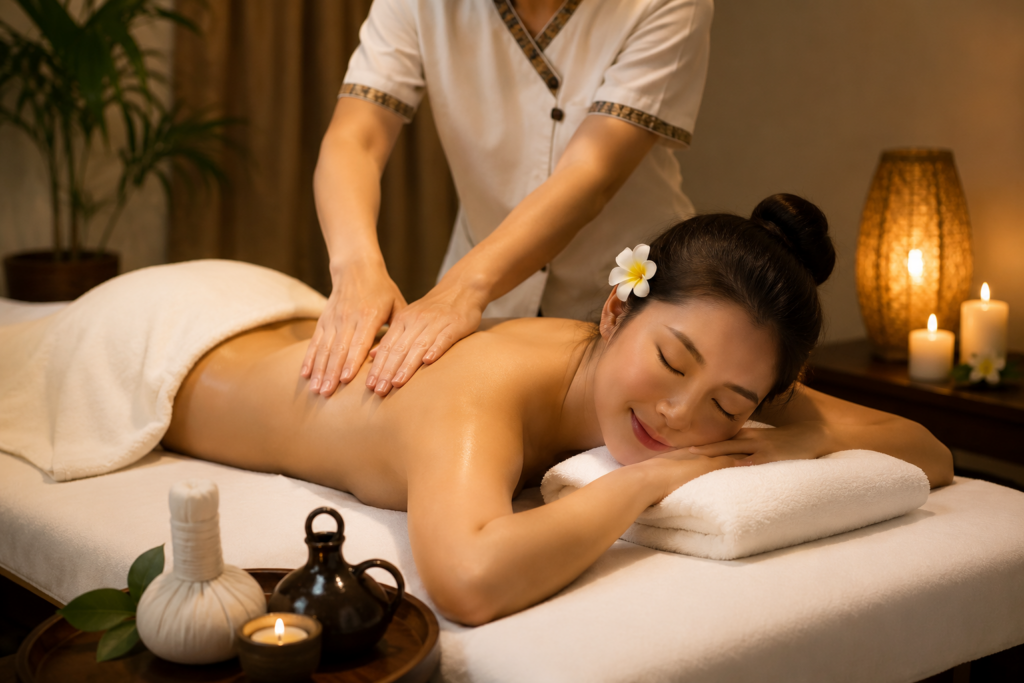
How to Choose the Right Home Massage Option
Choosing the right relaxing home massage in Da Nang or another local massage service is not simply about selecting the strongest pressure or the longest session. A good choice should match your main goal, preferred pressure level, current comfort, available time, and the location where the massage will take place.

Home massage can be particularly convenient for travelers, international visitors, expats, business guests, office workers, remote workers, active people, and couples who prefer to relax without traveling to a spa. Visitors looking specifically for a local service can read our body massage home service guide for Da Nang, including hotel access, massage styles and booking conditions. Depending on the provider and availability, a therapist may come to a private home, hotel, serviced apartment, condo, villa, or other suitable accommodation.
For more details, you can review Hot Stone Massage at Home in Da Nang: Warm, Deep Relaxation at Your Hotel or Apartment.
For more details, you can review Massage Near My Khe Beach Da Nang – Private Hotel & Apartment Service.
Common options include full body massage, relaxation or Swedish-style massage, deep tissue massage, neck and shoulder massage, foot massage, hot stone massage, aromatherapy massage, Thai massage, sports massage, bamboo massage, and four hands massage. Each option creates a different experience, so it helps to understand what you actually want from the session before booking.
Selection criteria
Start by identifying your main reason for booking. Someone who wants to unwind after sightseeing may prefer a different session from someone who feels general muscle tightness after sitting at a computer all day.
| Your priority | Option to consider | Practical consideration |
|---|---|---|
| General relaxation | Relaxation or Swedish-style massage | Usually better suited to clients who prefer a calmer session and lighter to moderate pressure. |
| Whole-body comfort | Full body massage | Useful when several areas feel tired rather than one specific muscle group. |
| Firm pressure | Deep tissue massage | Discuss pressure clearly and avoid assuming that stronger always means better. |
| Tired neck and shoulders | Neck and shoulder-focused massage | May be convenient for people who spend long periods at a desk or using digital devices. |
| Tired feet and legs | Foot massage or a full body session with leg focus | Popular after long walks, travel days, or periods of prolonged standing. |
| A more distinctive relaxation experience | Hot stone, aromatherapy, bamboo, or four hands massage | Check availability, setup requirements, personal sensitivities, and preferences before booking. |
The service environment also matters. If you are booking at a hotel or serviced apartment, confirm that outside service providers are permitted. Ask whether the therapist brings the necessary equipment and whether you need to prepare towels, a bed, floor space, or another suitable area.
Location-specific information can also help when comparing options. Travelers and residents can review guidance for home massage services in Da Nang, while visitors in the capital can learn more about massage at home in Hanoi.
Who or what it is best suited for
Home massage is particularly useful for people who value convenience, privacy, and the ability to remain in their accommodation after a session. Instead of traveling through traffic before and after a massage, the client can prepare a comfortable space and rest immediately afterward.
It may be a suitable option for:
- Travelers who feel tired after flights, long drives, sightseeing, or extended walking.
- Business travelers who want to relax at their hotel after meetings or work.
- International residents and expats who prefer massage in a familiar private environment.
- Office and remote workers who spend extended periods sitting at a desk.
- Active people looking for a relaxing recovery-focused session after exercise.
- Couples who want to book massage sessions at a hotel, apartment, home, or villa.
- Clients who prefer not to travel to a spa after a busy day.
Massage should be viewed as a wellness and relaxation service rather than a replacement for medical diagnosis or treatment. Persistent pain, unexplained swelling, numbness, a recent serious injury, fever, or other concerning symptoms should be assessed by an appropriate healthcare professional.
Key Features and Practical Considerations
A professional home massage experience starts before the therapist arrives. Clear communication about the massage type, session length, pressure preference, location, and areas you want addressed can make the appointment more comfortable and efficient.
Pressure level
Pressure is highly personal. Light pressure may be ideal when relaxation is the priority, while some clients prefer moderate or firmer work. Deep pressure should not automatically be considered more effective. Painful pressure can make it difficult to relax and may not be appropriate for every person or every situation.
Tell the therapist immediately if the pressure is uncomfortable, and ask for adjustments during the session rather than waiting until the end.
Session duration
The appropriate duration depends on how many areas you want to address and how much time you have. A focused neck, shoulder, or foot session may require less time than a complete full body massage. Longer sessions can allow a slower pace, but duration alone does not determine quality.
Hygiene and professional boundaries
A legitimate wellness massage service should be clear about hygiene, appropriate draping, respectful communication, pricing, duration, and the scope of the service. Clients should feel comfortable asking how equipment is cleaned and what preparation is required.
A professional wellness massage should maintain clear boundaries and focus on legitimate relaxation and body-care techniques. If the description of a service is unclear, confirm exactly what is included before making a booking.
Your current physical condition
Tell the therapist about relevant injuries, sensitive areas, recent procedures, skin irritation, or other concerns before the session begins. Avoid direct massage over an acute injury, wound, inflamed area, or any region where a healthcare professional has advised against pressure.
People who are pregnant, receiving medical treatment, recovering from surgery, taking medication that affects bleeding, or managing significant health conditions may need professional medical advice before choosing some massage techniques.
Location and privacy
Prepare enough clear space for the therapist to work comfortably and safely. A quiet room with comfortable temperature and minimal interruption can improve the experience. At hotels, villas, and managed apartments, confirm guest and visitor policies in advance to avoid delays.
For clients in southern Vietnam, this guide to massage at home in Ho Chi Minh City provides additional information about booking a mobile massage at hotels, apartments, and private residences.
How to Use or Apply It Effectively
Getting more value from a home massage does not require complicated preparation. A few simple steps can help the therapist understand your preferences and create a more comfortable session.
- Choose your main goal: Decide whether you primarily want relaxation, general full-body comfort, a particular pressure style, or extra attention to areas such as the shoulders, back, legs, or feet.
- Describe your preferred pressure: Light, medium, and firm can feel different from one person to another, so provide feedback during the massage.
- Share relevant information: Mention injuries, sensitivity, recent strenuous activity, or areas you do not want massaged.
- Prepare the room: Create enough space, reduce interruptions, and keep the temperature comfortable.
- Confirm the appointment details: Check the address, building access, hotel room procedures, session length, selected service, and price before arrival.
- Communicate during the session: Ask for changes if pressure, temperature, positioning, music, or technique becomes uncomfortable.
- Allow yourself to rest afterward: One advantage of home massage is that you do not have to immediately commute through traffic after the session.
If you are specifically comparing services in Hanoi, the detailed guide on how to find a reliable and safe body massage service in Hanoi offers additional considerations for choosing an appropriate provider.
Common Mistakes to Avoid
Choosing the strongest massage without considering your needs
Firm massage is not automatically the right choice. If your main goal is relaxation, a gentler session may be more comfortable. Pressure should always be adjusted according to your feedback.
Failing to explain injuries or sensitive areas
The therapist cannot make appropriate adjustments if important information is not communicated. Mention areas that are injured, sensitive, recently treated, or uncomfortable before the massage begins.
Expecting massage to diagnose or cure a medical condition
Massage may be used as part of a general wellness routine, but it should not be relied upon to diagnose the cause of persistent pain or other symptoms. Seek qualified medical care when symptoms are severe, unexplained, worsening, or persistent.
Booking without checking what the service includes
Similar names can describe different techniques between providers. Confirm the massage type, duration, price, equipment, therapist arrival arrangements, and any optional additions before booking.
Ignoring hotel or building access rules
Some hotels, condos, serviced apartments, and villas have security procedures for outside visitors. Checking the rules in advance helps avoid delays when the therapist arrives.
Staying silent when something feels uncomfortable
A professional therapist should be able to adjust pressure, positioning, pace, or focus during the session. Speak up immediately if something does not feel right.
Frequently Asked Questions
What type of massage should I choose for general relaxation?
A relaxation or Swedish-style massage is often a practical starting point for clients who want a calm experience with light to moderate pressure. A full body massage may also be appropriate if several areas feel tired and you prefer broader attention rather than a single focused area.
See swedish Massage at Home in Da Nang guide to continue exploring this topic.
Is deep tissue massage suitable for everyone?
No. Some people enjoy firmer pressure, while others find it uncomfortable or inappropriate for their current physical condition. Discuss injuries, sensitivities, and your pressure preference before the session. If you have a significant medical condition or recent injury, seek professional healthcare advice when appropriate.
Can I book a massage at my hotel?
Many mobile massage services operate at hotels, apartments, serviced apartments, condos, villas, and private homes. However, hotel and property policies vary, so confirm whether outside therapists are permitted and whether identification or visitor registration is required.
What should I prepare before a home massage?
Prepare a clean, quiet area with enough room for the therapist to work. Confirm access instructions, keep the room at a comfortable temperature, reduce interruptions, and communicate your preferred massage style and pressure beforehand.
Should massage hurt to be effective?
No. Some techniques can feel firm or intense, but you should not feel that you have to tolerate significant pain. Communicate with the therapist and request less pressure whenever necessary.
Can massage help after a long flight or sightseeing day?
Many travelers choose massage as a way to relax after prolonged sitting, walking, or a busy travel schedule. The most suitable technique depends on how you feel, your health status, and your preferred pressure level.
How do I know whether a home massage provider is professional?
Look for clear information about services, session duration, pricing, booking procedures, hygiene, professional boundaries, therapist arrival, and customer support. A reliable provider should also be willing to answer practical questions before you confirm your appointment.
When should I avoid massage and seek medical advice instead?
Seek appropriate medical advice when you have persistent or severe unexplained pain, major swelling, numbness, fever, a recent serious injury, suspected infection, or another health concern that may require diagnosis. Massage is a wellness service and should not delay necessary medical evaluation.