If you are comparing Thai massage vs oil massage in Da Nang, the biggest difference is not simply how much pressure a therapist uses. Traditional Thai-style massage often combines pressure with guided stretching and movement, whereas an oil-based relaxation massage generally relies on smooth, gliding strokes over the skin. Both can be enjoyable, but they feel quite different—especially when you are booking after a long flight, a beach day or hours of sightseeing.
For travelers staying in hotels, serviced apartments, villas and private homes, the choice also affects what space, clothing and equipment you may need. This practical guide helps you compare the two approaches before arranging an in-room massage. It focuses on wellness and relaxation, not medical treatment.
Quick Answer: Should You Choose Thai Massage or Oil Massage?
Choose Thai massage when you prefer an active session with guided body movements, pressure and assisted stretches. Choose oil massage when you want gentler, flowing touch and a quiet, soothing experience with less movement. Neither method is automatically better; your goal, comfort and health circumstances should guide the choice.
If you already know which type you prefer, explore Thai massage at home in Da Nang or aromatherapy massage at home for service-specific information.
Thai Massage vs Oil Massage: At-a-Glance Comparison
| What to compare | Thai-style massage | Oil massage |
|---|---|---|
| Main approach | Rhythmic pressure, guided movements and assisted stretching | Smooth gliding strokes, kneading and relaxation-focused touch |
| Clothing | Often performed in comfortable clothing | Usually uses draping, with oil applied to exposed treatment areas |
| Typical surface | Often a mat or other suitable firm surface | Usually a massage table or suitable treatment surface |
| Oil | May be used in adapted styles; not required for traditional dry Thai massage | Oil or lotion is typically central to the technique |
| Movement | More repositioning or assisted stretching | Usually calmer with less active movement |
| Pressure | Varies from gentle to firm according to technique and comfort | Can also be gentle, medium or firm depending on the session |
| Good fit for | Guests who enjoy movement and carefully guided stretching | Guests seeking calm, warmth and an uninterrupted relaxing rhythm |
These are general differences. Providers may combine techniques, so ask about the exact treatment rather than relying on the name alone.
What Is Thai Massage Like?
Thai-style massage is often described as a more active bodywork experience. The therapist may use palms and forearms for pressure, move the body through comfortable ranges of motion and assist gentle stretches. Depending on the technique, the session may take place on a firm mat or another appropriate surface, with the client wearing loose clothing.
The aim is not to push you into difficult poses. A careful therapist should ask about mobility, injuries and your preferences, explain unfamiliar movements and stop or adapt any stretch that causes discomfort.
Thai massage may appeal to you if:
- You like a massage that includes some movement and stretching instead of only flowing strokes.
- You feel generally stiff after sitting for long periods, but do not have an acute injury or a medical reason to avoid stretching.
- You prefer to remain clothed during the treatment.
- You have enough space at your accommodation for a safely arranged session.
Read our detailed Thai massage in Da Nang hotel and apartment guide to learn more about the typical session format.
What Is Oil Massage Like?
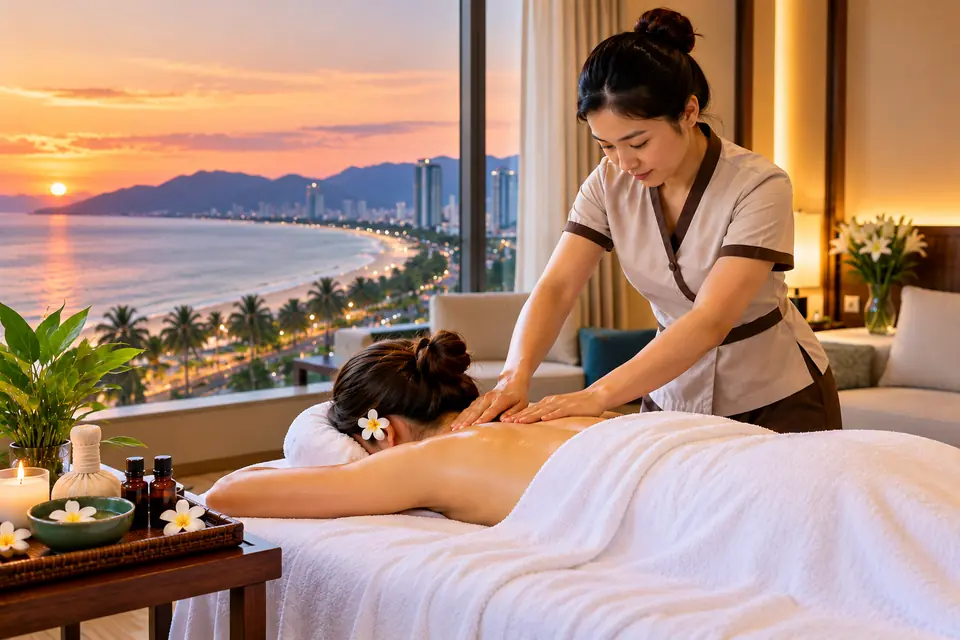
Oil massage usually relies on continuous strokes over the skin with oil or lotion to reduce friction. A relaxation-focused oil massage may use lighter pressure, slow movements and longer strokes across the back, shoulders, arms and legs. The exact techniques vary depending on whether you select a Swedish, aromatherapy or other oil-based style.
Some guests appreciate the soothing sensation and relatively quiet pace. Others do not enjoy feeling oil on their skin or may have sensitivities to fragrance. Ask whether an unscented option is available, and mention allergies before the session.
Oil massage may appeal to you if:
- Your main goal is to unwind after a busy day rather than participate in assisted stretches.
- You prefer a gentle or medium-pressure treatment.
- You enjoy long, smooth strokes with minimal repositioning.
- You want to rest comfortably at your hotel, villa or serviced apartment after the appointment.
For an oil-based option, see aromatherapy massage at home in Da Nang or our Swedish massage guide.
Which Massage Is Better After a Flight or a Long Day of Sightseeing?
Travelers often feel tired from walking, sitting or carrying luggage. The best choice depends on how you feel that day—not a fixed rule about technique.
After a long flight
If you simply want a quiet break, a gentle oil massage may feel more restful. If you prefer light movement after prolonged sitting, an adapted Thai-style session may appeal to you. However, sudden swelling, warmth, pain in one leg, chest pain or unexplained shortness of breath can signal a serious condition and requires urgent medical assessment—not a massage appointment.
After My Khe Beach or a sightseeing day
A gentle oil massage may feel comfortable after walking under the sun. If your legs or back feel tired, explain which areas you want the therapist to focus on. Avoid massage on sunburned, irritated or broken skin.
After desk work or business meetings
Some business travelers enjoy slow oil-based work on the neck and shoulders; others prefer carefully selected stretches. Neither approach should produce sharp pain. If you are unsure what pressure suits you, review the massage pressure guide for Da Nang.
Which Is Better for Beginners or Sensitive Clients?
For someone who has never received massage, a gentle oil or Swedish-style session can be an easy introduction because the pacing is usually predictable and pressure can be adjusted. Thai massage can also be suitable for beginners when the therapist works gently and avoids unnecessary or extreme stretches.
Tell the therapist if you have limited flexibility, joint problems, skin sensitivities or areas that should not be touched. If you dislike oil, ask about a dry-massage option. If you dislike stretching, choose a technique without assisted movements.
Can You Book Thai Massage or Oil Massage at a Hotel in Da Nang?
In-room massage may be possible at hotels, apartments and villas in Da Nang, depending on the service provider’s coverage, available therapists and property visitor rules. When comparing Thai and oil massage at your accommodation, ask specifically about the setup each technique requires.
- Confirm building access. Ask whether outside massage providers are allowed. Some hotels or managed apartments require reception approval or visitor registration.
- Choose the massage format. Say whether you want stretching-focused Thai massage or gliding oil-based relaxation.
- Check available space. Traditional Thai-style sessions can require extra floor space for movement; oil massage may require a suitable table or other treatment surface.
- Discuss clothing, towels and oil. Ask what to wear and which items the therapist provides. Confirm any fragrance sensitivity.
- Agree on duration and final price. Request the selected package, any travel or late-hour charges and the total price before confirming.
- Share your comfort preferences. Mention pressure, areas to avoid and whether stretching feels appropriate for you.
If you are staying in a condominium or private rental, our apartment massage in Da Nang guide explains visitor rules and arranging access. For hotel-specific questions, see hotel massage Da Nang.
How Long Should Your Massage Session Be?
The right duration depends on your energy level, budget, body areas and the intensity of the planned session. A 60-minute appointment can suit a straightforward relaxation treatment, while 90 minutes may allow more time for a full-body approach or a few focus areas. Longer is not automatically better if you are fatigued or unused to massage.
Different providers and packages may have different prices. Compare what is included, not only the number of minutes. Our 60 vs 90 vs 120 minute massage guide gives more detail.
Safety: When Should You Avoid Stretching or Oil Massage?
Do not book massage as a substitute for medical evaluation if you have severe or worsening pain, unexplained swelling, fever, a suspected blood clot, an acute injury or a new neurological symptom. For recent surgery, osteoporosis, pregnancy, use of blood thinners or other significant conditions, consult an appropriate healthcare professional about whether massage and stretching are suitable.
Thai-style assisted stretching requires particular care with unstable joints, significant mobility limitations and recent injuries. Oil-based massage requires attention to skin conditions, allergies and fragrance sensitivity. Both should include clear consent, professional boundaries, clean linens and hygiene.
Common Questions About Thai Massage vs Oil Massage
Is Thai massage stronger than oil massage?
Not always. Thai massage is often more movement-focused, but both styles can be offered with different pressure levels. Tell the therapist what feels comfortable and ask for adjustments when needed.
Do you wear clothes for Thai massage?
Traditional Thai massage is often performed while wearing loose, comfortable clothing. Confirm the provider’s format before your appointment, because some hybrid treatments also use oil.
Does oil massage always use essential oils?
No. Basic massage oil or lotion is not necessarily fragranced. Aromatherapy versions may use scented products, so ask about the exact oil and whether an unscented option is available.
Which massage is more relaxing?
Many people associate oil massage with gentler, uninterrupted strokes, but relaxation is personal. Some guests find stretching-focused Thai massage equally enjoyable. Choose the format that suits your preferences.
Can I request no stretching during Thai massage?
You can always say no to a movement or request a modification. If you want no assisted stretching at all, another massage style may be a closer match to your expectations.
Are these massages available at apartments and villas?
Availability depends on the location, provider’s service coverage, appointment time and property rules. Confirm the booking setup before assuming either massage type can be provided at your address.
Choose Your Massage in Da Nang
The decision between Thai massage vs oil massage in Da Nang comes down to the experience you want. Choose movement and assisted stretching if that feels right for you, or choose slower oil-based strokes when you prefer a calmer pace. Communicate your comfort level and check the practical conditions for an in-room appointment.
To ask about current massage options, appointment availability and official pricing, visit HomeMassage.vn and use the website’s official booking channel. Share your Da Nang location, preferred technique, duration and any building access requirements.