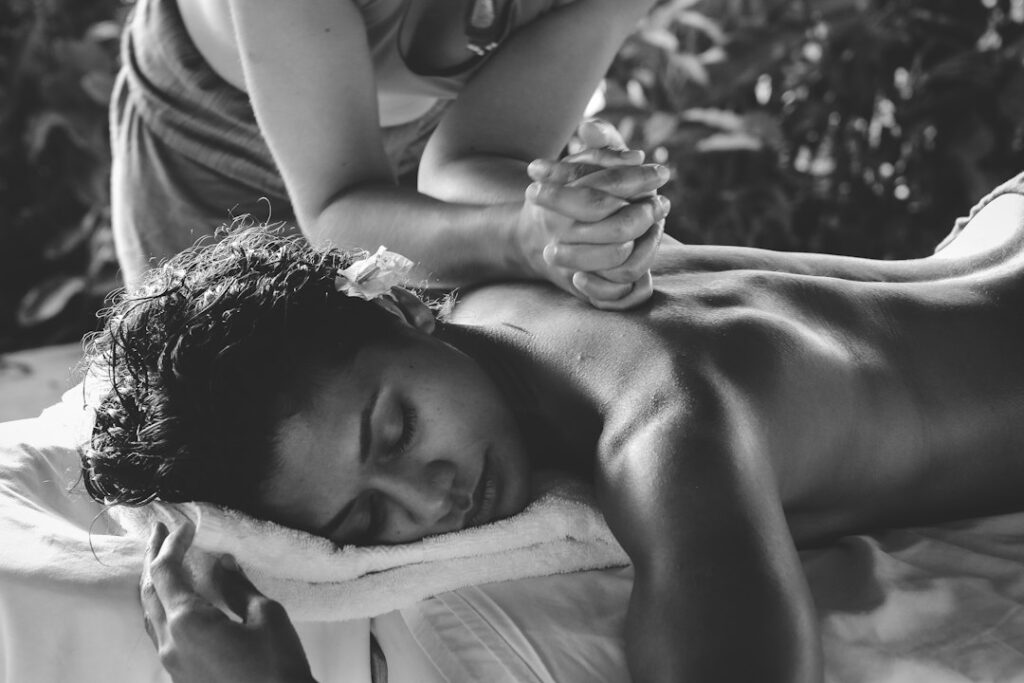
Choosing a massage in Da Nang is not only about selecting Swedish, deep tissue, foot massage or full-body massage. One of the most important decisions is the pressure level. The same massage style can feel completely different depending on whether the therapist uses light, medium or firm pressure.
For more details, you can review Massage Therapy Near Me in Da Nang: Hotel & Home Guide.
Another useful related resource is information about aromatherapy Massage at Home in Da Nang: Oils, Comfort and What to Expect.
For more details, you can review Swedish Massage at Home in Da Nang.
This guide explains how to choose a comfortable pressure level for an in-room or hotel massage in Da Nang, when deeper pressure may make sense, when lighter pressure may be the better choice, and what to tell the therapist before the session starts.
See is Outcall Massage in Da Nang Safe? Hotel Booking, Privacy & What to Expect guide to continue exploring this topic.
Why Pressure Matters More Than Many Guests Expect
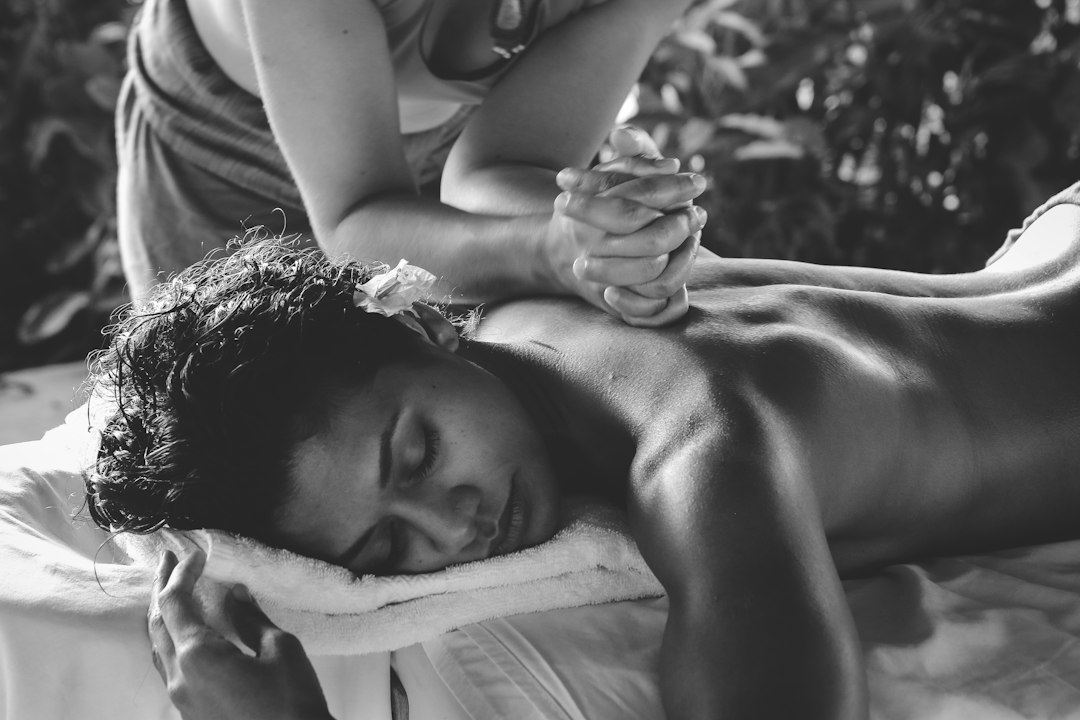
Travelers often book by massage name alone. For example, they may choose “full body massage” without explaining whether they want a gentle relaxing session or firmer work on tired muscles. That can lead to a mismatch between what the guest expects and what the therapist provides.
A better approach is to describe three things before the appointment:
- your main goal: relaxation, muscle tension or recovery after activity;
- the areas you want the therapist to focus on;
- the pressure level that feels comfortable to you.
Pressure should be adjustable during the session. A professional massage does not need to feel painfully strong to be useful as a wellness experience.
Light Pressure: Best for Gentle Relaxation
Light pressure is usually the easiest option for guests who mainly want to relax. It may be suitable after a long day of sightseeing, before sleep, or when you simply prefer a calmer and more comfortable massage experience.
Light pressure can also be a sensible starting point if you have never booked an in-room massage before and are unsure how your body will respond.
Light pressure may suit you if:
- your main goal is relaxation rather than focused muscle work;
- you are tired after travel and do not want a strong session;
- you are sensitive to firm pressure;
- you want a quiet massage before bed;
- you prefer a gentle full-body rhythm.
Travelers arriving after a flight may also prefer a comfortable pressure level before considering anything stronger. See our massage near Da Nang Airport guide for practical booking tips after arrival.
Medium Pressure: A Flexible Choice for Most Guests
Medium pressure is often a practical middle ground. It allows the therapist to work on commonly tired areas such as the shoulders, back and legs without making the session feel overly intense.
For many hotel guests, medium pressure works well when the goal is both relaxation and general muscle comfort.
Medium pressure may be useful after:
- a full day walking around Da Nang;
- long hours at a laptop or in meetings;
- moderate physical activity;
- a day trip followed by a hotel stay;
- several hours of driving or sitting.
Business travelers, for example, often feel tension in the neck, shoulders and lower back after meetings and computer work. Our massage for business travelers in Da Nang guide explains how to plan a session around work schedules.
Deep Pressure: When Firmer Work May Be Appropriate
Some guests prefer deeper pressure because certain muscles feel tight or overworked. Deep pressure is not simply “a stronger version” of relaxation massage. It should be used with clear communication and usually with more focused attention to specific areas.
If you are specifically interested in deeper muscle work, you may want to read our internal guide to deep tissue massage at home in Da Nang.
For a more specialized resource focused on deeper-pressure techniques, muscle tension and full-body deep tissue service, you can also explore Deep Tissue Massage Da Nang. This is useful when your main question is not simply “how strong should the massage be?” but whether a deep-tissue-focused session better matches your goals.
Strong Pressure Is Not Automatically Better
One common mistake is assuming that the strongest massage will produce the best result. In wellness massage, comfort and communication matter more than intensity alone.
You should not feel that you have to tolerate excessive pressure just because you booked deep tissue or asked for a firm session. If the pressure becomes uncomfortable, ask the therapist to reduce it immediately.
Sharp pain, numbness, dizziness or unusual discomfort are reasons to stop or adjust the session rather than trying to “push through” the feeling.
Pressure Should Change by Body Area
You do not need the same pressure everywhere. Many guests prefer firmer pressure on the shoulders or upper back but lighter pressure on the lower legs, feet or other sensitive areas.
A useful booking message might say:
“Medium pressure overall, slightly firmer on shoulders and upper back, but light pressure on legs.”
This is more useful than simply writing “strong massage.”
How Travel Changes the Pressure You May Want
After a long flight
After sitting for many hours, you may feel stiff and tired but still prefer a gentler session. Start with comfortable pressure and increase only if it feels appropriate.
After sightseeing
If your feet and legs are tired after walking, medium pressure may be enough. You can ask the therapist to focus more time on the lower body without making the entire massage strong.
After golf or exercise
Active guests sometimes prefer firmer work on heavily used muscle groups. However, pressure should still match your current condition. Our massage after golf in Da Nang guide covers post-round timing and session planning.
After desk work or meetings
For neck and shoulder tension, medium pressure with focused attention is often more useful than automatically choosing the strongest possible massage.
How Session Length Affects Pressure Choice
Duration and pressure should be considered together.
60 minutes
A 60-minute session works well when you want general relaxation or focused attention on one or two areas. If you prefer deeper pressure, the therapist may need to prioritize specific muscle groups rather than spending equal time everywhere.
90 minutes
A 90-minute session provides more time for full-body massage plus additional attention to the shoulders, back, legs or another target area. This can be useful when you want a mix of relaxation and firmer focused work.
120 minutes
A longer session should not mean stronger pressure for the entire appointment. Pressure can vary throughout the session depending on body area and comfort.
What to Tell the Therapist Before the Session
- Your preferred pressure: light, medium or firm.
- The areas that feel most tired.
- Any area you do not want massaged.
- Whether you have recently exercised, played golf or traveled.
- Whether you are new to deep pressure.
- Whether you want relaxation or focused muscle work.
This information makes it easier to adapt the session to your expectations.
What If You Are Not Sure Which Pressure to Choose?
If you are unsure, start with medium or slightly lighter pressure and ask the therapist to adjust gradually. It is easier to increase pressure during the session than to recover from a session that felt too strong from the beginning.
You can also describe the result you want instead of choosing a technical label. For example:
- “I want to relax and sleep well.”
- “My shoulders feel tight from computer work.”
- “My legs are tired after walking all day.”
- “I prefer firm pressure but not painful pressure.”
Hotel and Apartment Access Still Matters
Even when you know exactly which pressure you want, an in-room massage still depends on the visitor policy of your hotel, serviced apartment, condo or residence.
Before booking, confirm whether an outside therapist may enter the guest area and whether identification or registration is required.
Frequently Asked Questions
Is deep pressure the same as deep tissue massage?
Not exactly. “Deep pressure” describes intensity. Deep tissue massage is a technique that typically uses slower, more focused work on deeper muscle layers. A relaxation massage can sometimes include firmer pressure, while a deep tissue session should still be adjusted to your comfort.
Should massage hurt to be effective?
No. Strong discomfort is not required for a useful wellness massage. Pressure should stay within a range you can tolerate comfortably.
Can I change pressure during the massage?
Yes. You should tell the therapist if you want more or less pressure at any point.
What pressure is best after a flight?
Many travelers start with light-to-medium pressure and adjust based on comfort, especially after a long journey.
What pressure is best after exercise?
It depends on how your muscles feel and your massage experience. Some active guests prefer medium-to-firm pressure on specific areas rather than strong pressure everywhere.
Final Takeaway
The best massage pressure in Da Nang is not the strongest option. It is the pressure that matches your goal, current condition and comfort level. Light pressure works well for gentle relaxation, medium pressure is flexible for many travelers, and deeper pressure may be appropriate when you specifically want more focused muscle work.
Before the therapist arrives, explain your preferred pressure and target areas. During the massage, continue communicating so the session can be adjusted in real time.