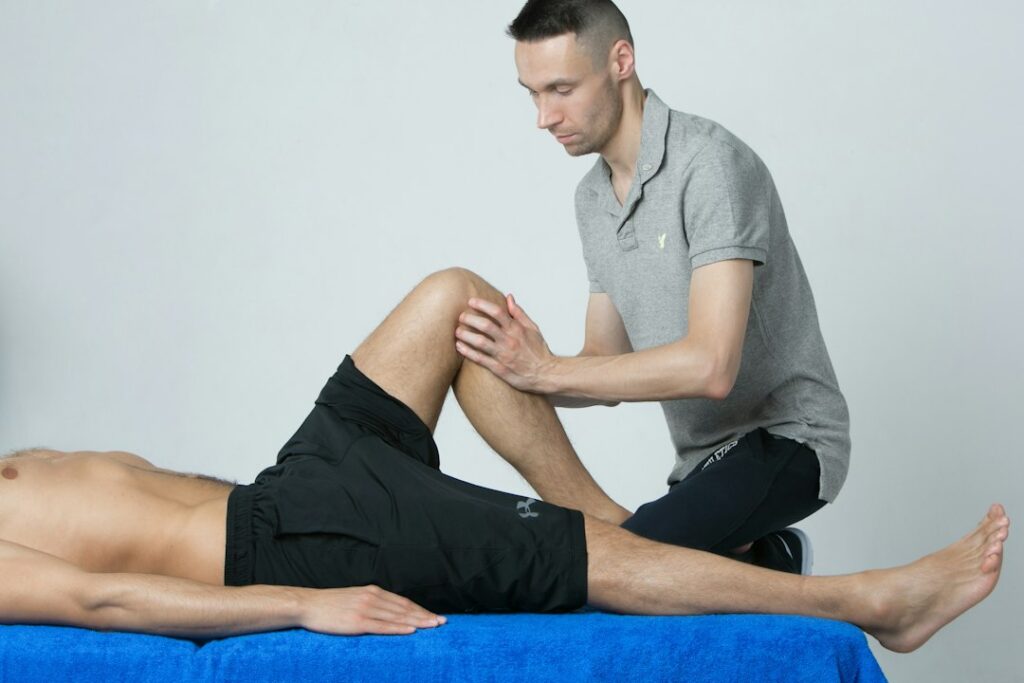
Sports massage vs deep tissue massage in Da Nang: which should you book if your legs feel tired after running, your shoulders are tense after surfing, or you want a relaxing hotel-room appointment following a round of golf? Although the names can sound similar, they describe different approaches. Sports massage is organised around your activity, goals and the muscles involved, while deep tissue massage generally focuses on slower, targeted work through deeper layers of muscle and connective tissue.
Neither technique is automatically stronger, safer or more effective for every visitor. The right choice depends on whether you have recently exercised, what kind of pressure you enjoy, whether you are dealing with ordinary muscle fatigue or a possible injury, and how much time you have. This guide compares the two treatments for travellers booking at a hotel, apartment, villa or private home in Da Nang. For a general booking overview, start with our Da Nang home massage service.
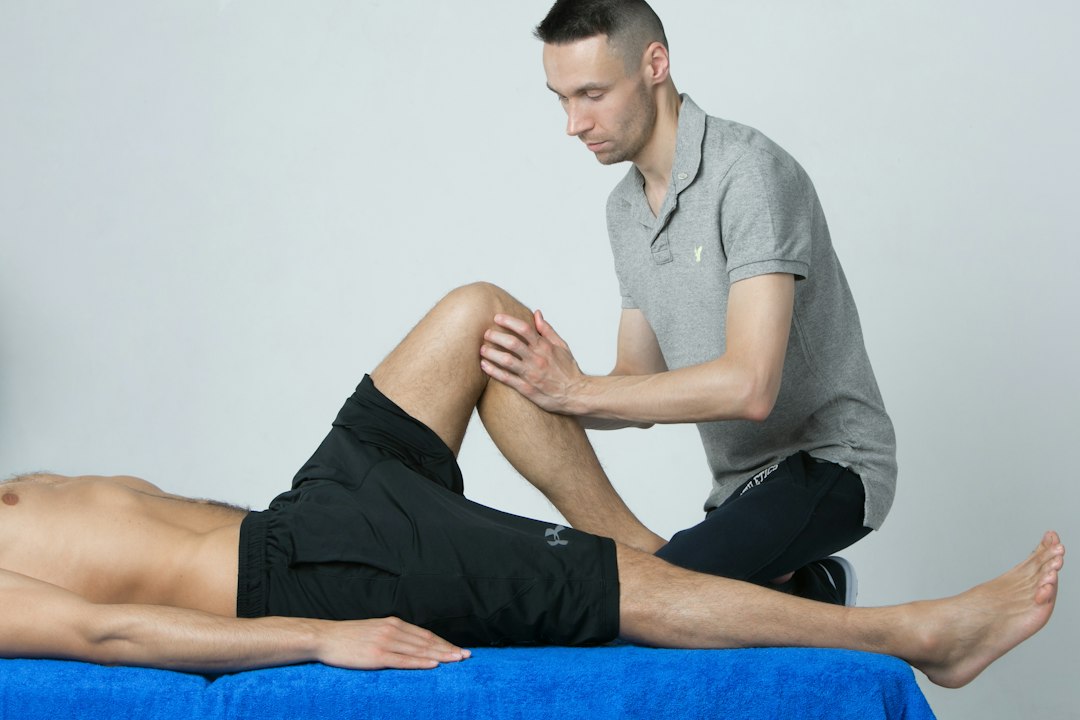
Sports massage vs deep tissue massage: quick comparison
| Question | Sports massage | Deep tissue massage |
|---|---|---|
| What is its main focus? | Muscles and movement patterns related to a particular activity or training goal | Focused, slower manual work around areas of persistent muscle tension |
| Must the pressure be very strong? | No. Techniques and pressure change with the goal, timing and comfort level | No. “Deep” describes the approach, not permission to use painful force |
| When might a guest request it? | After a long walk, workout, golf round, ride or another physical activity | When they prefer sustained attention to a particular tight-feeling muscle area |
| Which body areas are included? | Often selected muscles used in the activity: calves, hips, thighs or shoulders | One or several areas chosen during consultation, such as upper back or shoulders |
| Can it be booked at a hotel? | Potentially, if the building allows outside therapists and the service is available | Potentially, under the same availability and hotel-access conditions |
| Does it treat an injury? | No. New or significant injuries need appropriate medical evaluation | No. It should not replace assessment or care for persistent or unexplained pain |
Quick decision: If your request is connected to a specific activity—such as “my calves feel tired after a run”—sports massage provides a useful way to describe your goals. If you would like carefully targeted, slow pressure on a familiar area of muscular tightness, deep tissue may be closer to your preference. The actual techniques used can overlap, so explain what you want rather than relying on the treatment name alone.
What is sports massage?
Sports massage is a form of hands-on bodywork that adapts techniques to physical activity. It does not mean that only professional athletes may book it. Travellers who golf, hike, run, cycle or swim may also ask for focused attention on muscles involved in their day. The therapist can ask about your recent activities, areas that feel tired, pressure preferences and any discomfort that should be avoided.
Depending on training or activity timing, the session may use a combination of massage strokes, compression or other comfortable techniques. The name does not guarantee a specific sequence or a particular clinical result. A recreational runner and a business traveller who walked for hours may have very different preferences, even if both choose a sports-focused appointment.
For the full service description, read sports massage at home in Da Nang.
What is deep tissue massage?
Deep tissue massage typically uses slower strokes and more sustained manual contact to focus on deeper muscle layers and connective tissues. Clients often associate it with the shoulders, upper back or other areas that feel persistently tight. A therapist may work on selected body regions rather than using a single strong pressure level over the entire body.
Deep tissue does not mean that massage should hurt, that the practitioner must use their elbows, or that a longer session will fix chronic discomfort. There is no need to tolerate sharp pain, tingling, numbness or pressure that makes you tense up. You can ask for a change of pressure or stop at any time.
Explore deep tissue massage at home in Da Nang for more about this technique and typical hotel-room arrangements.
Six differences worth understanding before you book
1. The question each technique starts with
Sports massage generally begins with “What activity have you been doing, and which muscles would you like to focus on?” Deep tissue massage more often begins with “Which area feels tight, and what pressure are you comfortable with?” Both should include questions about your health, recent injuries and personal preferences, but their organising goals differ.
2. Pressure and sensation
A sports massage may use light, medium or firmer pressure depending on the intended experience. The same is true for deep tissue, although its slower, targeted techniques can feel more concentrated. More discomfort does not prove better results. If a therapist cannot adjust to your feedback, the session is not appropriately personalised.
Our massage pressure guide for Da Nang explains how to describe light, medium and firm pressure in a hotel booking.
3. Whether you want selected muscles or a familiar tight spot
Someone returning from a run might want attention to the calves, thighs and hips. A golfer may request gentle work around the shoulders and upper back after repetitive swinging. Those requests give a therapist an activity-based starting point. In contrast, someone who spends long periods at a laptop may request slow, focused work on the upper back without needing a sports-specific session.
Neither treatment automatically includes the entire body. Ask exactly which areas can be covered during the selected appointment length.
4. Timing before or after activity
If you have an important sporting event the next day, tell the therapist. Avoid assuming that a strong massage immediately before hard exercise will improve performance. If you are very sore or fatigued after an intense session, lighter, comfortable treatment or simply resting may be preferable to aggressive pressure. The most suitable plan depends on your symptoms, training load and preferences.
Massage may feel relaxing, but it is not a substitute for hydration, sleep, food, appropriate training recovery or medical care.
5. What to do when pain might be an injury
Ordinary tired muscles are different from a new injury. Do not use deep pressure over an area with acute swelling, a suspected sprain, a fresh bruise, an open wound or a potentially serious muscle injury. Sudden severe pain, inability to bear weight, marked swelling, unexplained numbness or other concerning symptoms deserve medical assessment. Tell the provider before an appointment if you have a relevant health condition or take medicines that affect bruising or bleeding.
Neither sports nor deep tissue massage should promise to diagnose, cure or speed the healing of an injury.
6. Availability, equipment and final cost
Both options may be offered as outcall services, but not every therapist is trained in every technique or available at every address. Hotels and apartment buildings also have visitor rules. Ask about therapist availability, equipment, session length, hygiene and the confirmed full price before booking.
Use our outcall massage equipment checklist for room preparation and outcall massage prices and booking factors for the questions to ask about total cost.
Which massage suits common Da Nang travel activities?
After a golf round
A day of golf can involve repeated upper-body movement and time on your feet. If you want a session designed around the muscles involved, sports massage may be a useful request. If you mostly want slower pressure on a particular tight-feeling area, you may prefer a targeted deep tissue session. Neither should involve painful pressure on a fresh injury.
Our separate after-golf massage guide covers other choices for golfers.
After running or cycling
Running and cycling may leave the legs feeling tired. Sports massage can help you communicate that you want the therapist to prioritise calves, thighs, hips or other areas you have been using. Start with comfortable pressure after demanding exercise, particularly if the muscles are already tender. Do not massage an area of suspected injury without appropriate assessment.
After surfing, swimming or a beach day
Surfing and swimming involve repeated shoulder, back and arm movement. For uncomplicated muscular tiredness, you can discuss a sports-focused session or ask for gentle, targeted work on the upper body. However, do not massage sunburned or damaged skin. If you feel unwell, overheated or dehydrated, prioritise recovery and appropriate care first.
Read what to consider after a beach day in Da Nang.
After sightseeing at Ba Na Hills or Marble Mountains
After climbing stairs and walking for hours, you may not need either specialised option. A comfortable full-body or foot massage could suit someone mainly seeking a rest. Tell the provider whether you prefer relaxation or targeted bodywork rather than assuming a sports or deep tissue label is always best.
For alternative options, see foot massage vs full-body massage in Da Nang.
After long laptop sessions
Travellers working remotely may ask for attention to the neck, shoulders and upper back. If you prefer sustained, carefully adjusted pressure around a familiar area of tension, a deep tissue-style booking may be closer to what you want. A lighter massage is also a valid choice. Seek healthcare advice for persistent, severe or unexplained pain.
Sports massage vs deep tissue: which session length makes sense?
60 minutes can be useful for a limited set of priority areas or a straightforward relaxation session. 90 minutes may allow more time to cover several regions without rushing. 120 minutes is an extended appointment that is not automatically better or appropriate for everyone. Availability and included time differ between providers.
When making a reservation, ask whether the quoted duration refers to actual massage time, whether consultation and setup are separate, and whether the appointment includes travel or late-hour surcharges. A shorter session with suitable pressure is often preferable to a longer session that you find uncomfortable.
Compare choices in our 60 vs 90 vs 120-minute massage guide.
Can sports massage and deep tissue massage be combined?
Potentially. These styles are not rigid categories, and a qualified therapist may be able to adapt selected techniques during a single appointment. For example, a client may request a general sports-focused session after cycling with a few minutes of slower, more targeted work on the upper back. Whether that is suitable depends on the practitioner’s training, your comfort and any contraindications.
Do not assume you must pay for two separate treatments to discuss different areas or pressure levels. Describe what you want and ask what the chosen service actually includes.
Booking a sports or deep tissue massage at a Da Nang hotel
To avoid confusing treatment names or unexpected charges, follow this process:
- Choose your goal: explain the activity you have done or the area you want attention on.
- Confirm the hotel or apartment address: share the property’s name and location, not merely “near My Khe Beach.”
- Check visitor permission: ask reception whether an external therapist can enter and whether registration is needed.
- Explain comfort and health concerns: request a pressure level, identify sensitive areas and mention relevant injuries or medical issues.
- Confirm the details in writing: duration, therapist availability, equipment, total price, travel or late-hour charges, and cancellation terms.
- Wait for confirmation: a WhatsApp enquiry is not an appointment until the provider accepts the request.
For general hotel access rules, see what to expect during your first hotel massage in Da Nang.
Example English WhatsApp booking message
Hello, I am staying at [hotel or apartment name] in Da Nang. I would like to ask about sports massage or deep tissue massage for [date and time]. I have been [running, cycling, golfing, swimming or working at a desk] and would like attention to [body areas]. I prefer [light/medium/firm] pressure for [60/90 minutes]. Could you confirm what is available, the full price, what equipment you bring, and whether any travel charges apply? Thank you.
Check massage availability on WhatsApp.
Frequently asked questions
Is sports massage the same as deep tissue massage?
No. Sports massage is organised around physical activity and the client’s goals, while deep tissue massage focuses on slower, sustained work on selected muscles and connective tissues. Techniques can overlap.
Which massage is better after running in Da Nang?
If you want an activity-focused session for tired legs, ask about sports massage and describe your training. Choose comfortable pressure, and do not use massage to manage a suspected acute injury.
Does deep tissue massage always hurt more?
It should not need to. Painful force is not a requirement. Tell the therapist when pressure is uncomfortable and request a change or stop.
Can I book both styles at my hotel?
You can request either technique if it is offered by an available therapist and your accommodation permits an external visitor. Availability, equipment and hotel policy must be confirmed before the booking.
Is deep tissue massage better for chronic back pain?
Neither style should be presented as a cure for chronic pain. If pain is persistent, severe or unexplained, seek medical evaluation instead of relying on massage alone.
Can I request sports massage if I am not an athlete?
Yes, the name is not limited to elite sportspeople. Explain your activity, fitness level and comfort needs, and ask whether this approach suits the appointment.
Is sports massage more expensive than deep tissue in Da Nang?
There is no standard difference that applies to every provider. Request a complete written quotation that includes duration, location, equipment and any additional fees.
The takeaway: choose your goal, not just the treatment label
If your main question is about the muscles you have been using during golf, running, cycling or swimming, sports massage is a useful starting point. If you prefer slower, focused pressure on a familiar tight area, deep tissue massage may better match your preferences. The best appointment is one that is comfortable, well explained and suitable for your circumstances—not simply the strongest technique.
Read more about sports massage at home in Da Nang or deep tissue massage at home in Da Nang, then ask the booking team about availability at your hotel, villa or apartment.